27
MAR
MAR
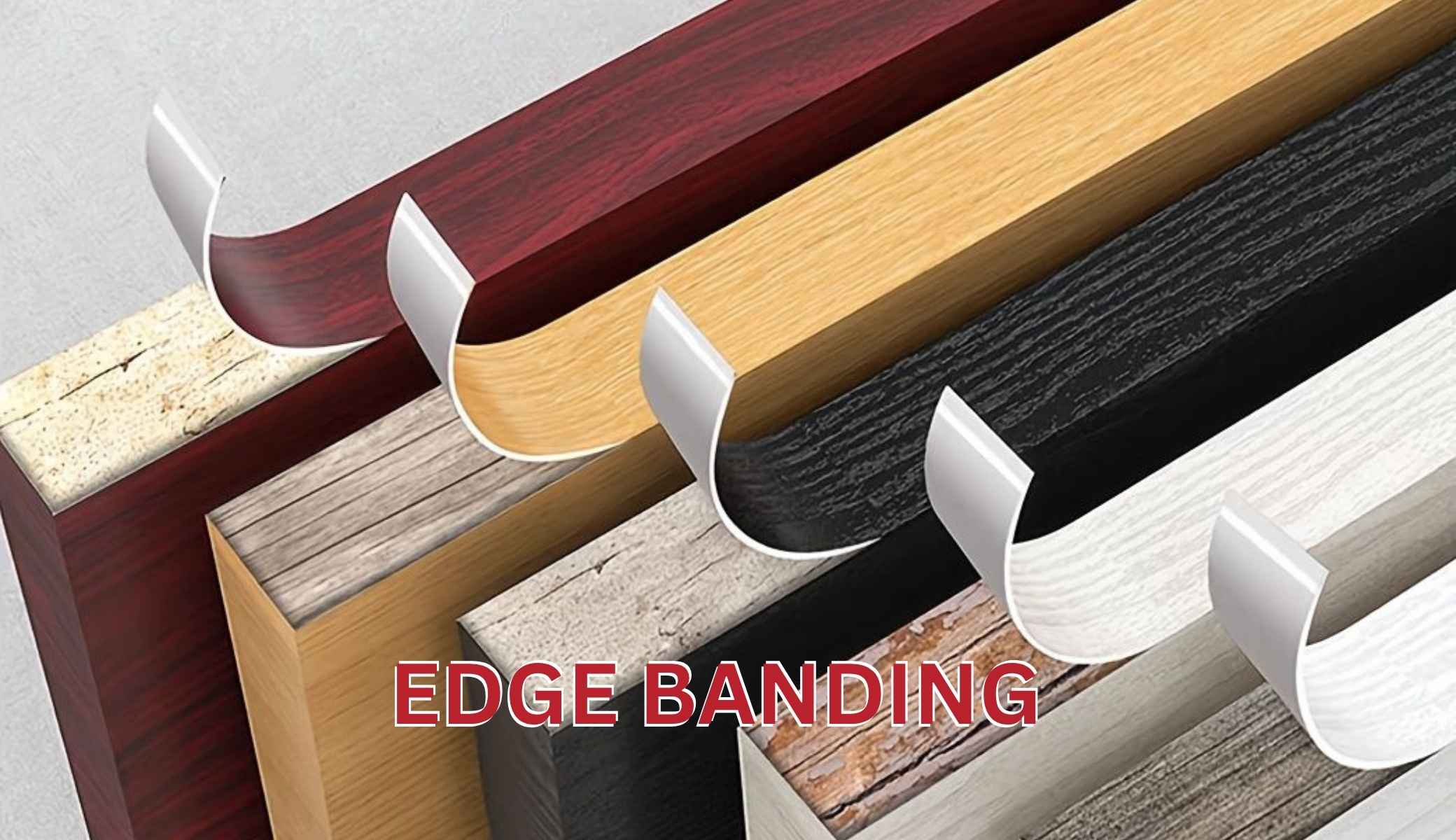
Why Edge Banding is Essential for High-Quality Furniture Manufacturing
In the world of modern furniture manufacturing, attention to detail is what separates average products from premium-quality pieces. One such detail that plays a critical role, yet often goes unnoticed, is edge banding. Whether it’s modular kitchens, office workstations, wardrobes, or retail fixtures, edge banding is a fundamental process that ensures both durability and aesthetic appeal.
This blog explores why edge banding is essential for high-quality furniture manufacturing, its benefits, materials, applications, and how it contributes to long-lasting, visually appealing furniture.
What is Edge Banding?
Edge banding is the process of covering the exposed edges of materials such as plywood, MDF (Medium-Density Fiberboard), particle board, or HDF (High-Density Fiberboard) with a thin strip of material. These edges are otherwise rough, porous, and prone to damage.
The banding material, commonly made of PVC, ABS, wood veneer, acrylic, or melamine, is applied using adhesives or specialized machinery to seal and protect the edges.
Why Edge Banding Matters in Furniture Manufacturing
Enhances Aesthetic Appeal
One of the most obvious advantages of edge banding is the visual enhancement it provides. Raw edges of boards look unfinished and unattractive. Edge banding gives furniture a clean, polished, and seamless appearance.
Manufacturers can match edge band colors and textures with laminates or decorative surfaces, creating a cohesive and premium look. This is especially important in modern interior design, where sleek finishes and minimalism are highly valued.
Improves Durability
Furniture edges are the most vulnerable areas, often exposed to impact, moisture, and wear. Without protection, these edges can chip, crack, or swell over time.
Edge banding acts as a protective barrier that:
- Prevents chipping and cracking
- Reduces wear and tear
- Protects against environmental damage
This significantly increases the lifespan of furniture, making it more reliable for long-term use.
Provides Moisture Resistance
Materials like MDF and particle board are highly susceptible to moisture. When exposed, they can absorb water, leading to swelling, warping, and structural damage.
Edge banding seals these porous edges, preventing moisture penetration. This is particularly important in:
- Kitchens
- Bathrooms
- Outdoor or semi-outdoor furniture
By adding this protective layer, manufacturers ensure that furniture maintains its shape and strength even in humid conditions.
Ensures Safety
Unfinished edges can be sharp or rough, posing a risk of cuts and injuries. This is especially concerning in homes with children or in high-traffic environments like offices and commercial spaces.
Edge banding smoothens these edges, making furniture safe to use. Rounded or soft edges created through banding reduce the risk of accidental injuries.
Enhances Structural Integrity
Edge banding contributes to the overall strength of furniture panels. By sealing the edges, it prevents internal layers from separating or degrading.
This added reinforcement ensures that:
- Furniture retains its shape
- Edges remain intact under pressure
- Panels do not weaken over time
Cost-Effective Solution
Instead of using solid wood, which is expensive, manufacturers often use engineered wood products. Edge banding allows these materials to mimic the look and feel of solid wood at a fraction of the cost.
This makes high-quality furniture more accessible without compromising on appearance or durability.
Types of Edge Banding Materials
Different materials are used depending on the application, budget, and desired finish.
1. PVC Edge Banding
- Most widely used
- Durable and flexible
- Available in various colors and textures
- Resistant to moisture and impact
2. ABS Edge Banding
- Eco-friendly alternative to PVC
- Chlorine-free and recyclable
- Strong and impact-resistant
3. Wood Veneer Edge Banding
- Made from real wood
- Provides a natural, premium look
- Ideal for high-end furnitur
4. Melamine Edge Banding
- Cost-effective option
- Pre-glued and easy to apply
- Suitable for low to medium-use furniture
5. Acrylic Edge Banding
- High-gloss finish
- Premium aesthetic appeal
- Often used in luxury furniture designs
Edge Banding Process in Manufacturing
The application of edge banding involves several steps:
- Surface Preparation – Cleaning and smoothing the panel edges
- Adhesive Application – Applying glue or heat-activated adhesive
- Banding Application – Attaching the edge strip using machines
- Trimming – Removing excess material
- Buffing and Finishing – Polishing for a smooth, seamless look
Modern furniture manufacturing uses automated edge banding machines to ensure precision, consistency, and efficiency.
Applications of Edge Banding
Edge banding is used across various types of furniture:
Residential Furniture
- Kitchen cabinets
- Wardrobes
- TV units
- Study tables
Office Furniture
- Workstations
- Conference tables
- Storage cabinets
Commercial Spaces
- Retail displays
- Reception desks
- Hotel furniture
Modular Furniture
- Prefabricated units
- Ready-to-assemble furniture
Role of Edge Banding in Modern Interior Design
With the rise of modular furniture and contemporary interiors, edge banding has become more important than ever.
Designers now demand:
- Seamless finishes
- Color-matching edges
- High-gloss or matte effects
- Minimal visible joints
Edge banding helps achieve all these design goals, making furniture visually appealing and aligned with modern trends.
Advantages of Using Automated Edge Banding Machines
Modern manufacturing relies heavily on automation for precision and efficiency.
Key Benefits:
- Consistent quality
- High-speed production
- Reduced manual errors
- Perfect finishing
These machines can handle various materials and thicknesses, ensuring versatility in production.
Common Mistakes to Avoid
Even though edge banding is essential, improper application can reduce its effectiveness.
- Avoid these mistakes:
- Using low-quality adhesive
- Poor surface preparation
- Incorrect temperature settings
- Mismatched edge colors
- Skipping finishing processes
Proper technique and quality materials are crucial for achieving the best results.
Environmental Considerations
Sustainability is becoming a key concern in furniture manufacturing. Many manufacturers are now opting for eco-friendly edge banding materials like ABS.
Additionally, edge banding:
- Reduces waste by enabling use of engineered wood
- Extends furniture lifespan
- Minimizes need for replacements
This contributes to a more sustainable production cycle.
Future Trends in Edge Banding
The furniture industry continues to evolve, and so does edge banding technology.
Emerging Trends:
- Laser edge banding for seamless joints
- Eco-friendly materials
- Digital color matching
- High-gloss and textured finishes
- Smart manufacturing integration