FEB
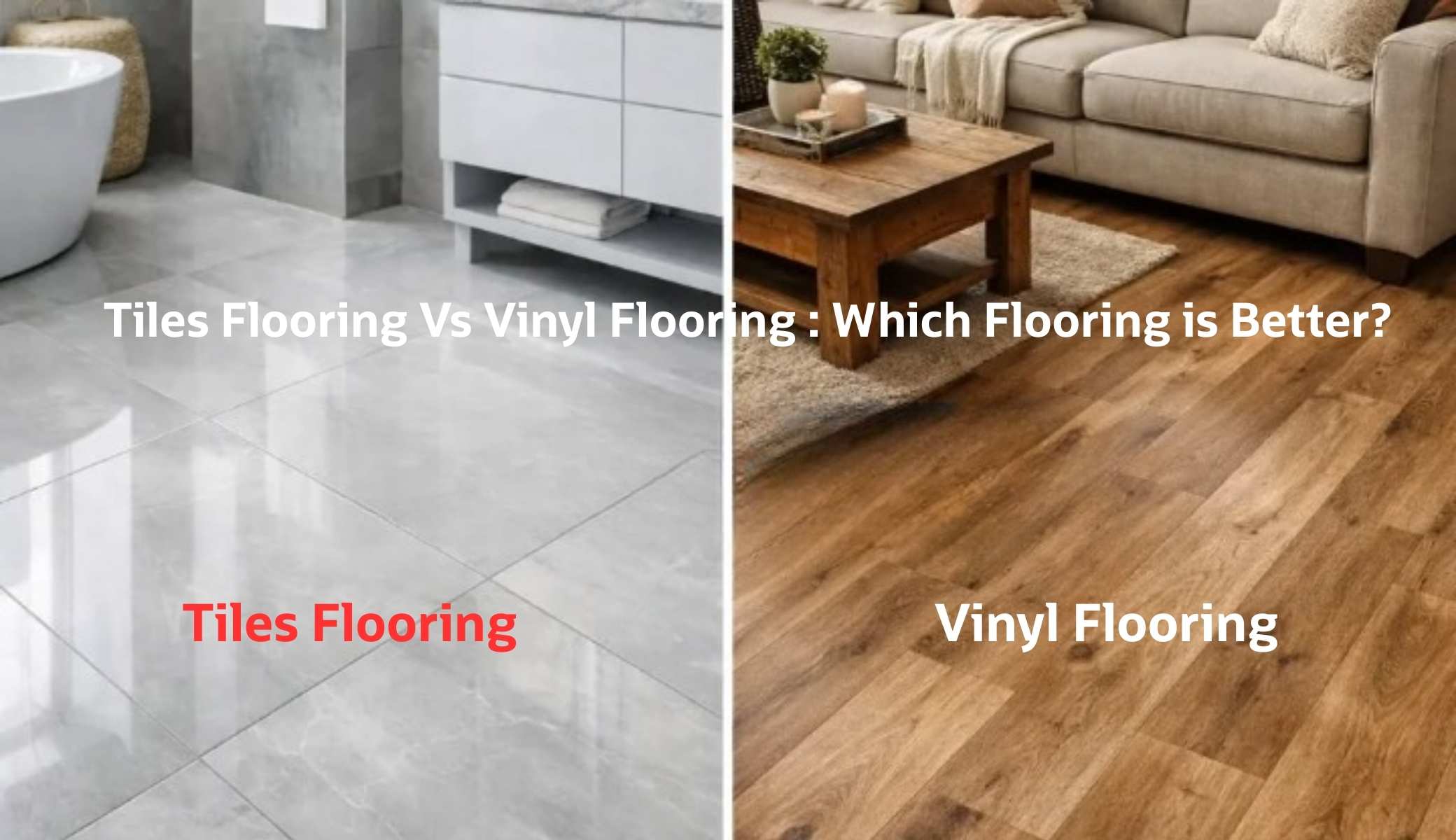
Vinyl Flooring vs Tiles: Which Flooring is Better?
Vinyl Flooring vs Tiles Flooring:
When deciding on a flooring solution for your next renovation project, the choice often comes down to two popular options: vinyl flooring and tiles. Each option has its own set of advantages and disadvantages, and the best choice for you will depend on your specific needs, budget, and style preferences. To help you make an informed decision, here's a detailed comparison between vinyl flooring and tiles across several key factors.
Cost:
- Vinyl Flooring: Vinyl flooring is generally the more affordable option. It typically costs less per square foot to purchase and is significantly cheaper to install, as it can be easily installed as a DIY project or requires less professional labor compared to tiles.
- Tiles: Tiles can vary widely in cost depending on the material (e.g., ceramic, porcelain, natural stone), but they are generally more expensive than vinyl. Installation is also more complex and typically requires professional expertise, further adding to the cost.
Durability and Longevity:
- Vinyl Flooring: While modern luxury vinyl flooring (LVT) is quite durable and can last for 10-25 years with proper care, it is not as durable as tiles. Over time, it can be prone to scratches, dents, and punctures, especially in high traffic areas or under heavy furniture.
- Tiles Flooring: Tiles are exceptionally durable and can last for several decades, even a lifetime, if installed and maintained properly. They are resistant to scratches, dents, moisture, and stains, making them an excellent choice for areas with high traffic, moisture, and potential spills.
Installation:
- Vinyl Flooring: Vinyl is relatively easy to install and is a popular choice for DIY enthusiasts. Many types of vinyl flooring come with a click lock or peel-and-stick installation method, requiring minimal tools and expertise.
- Tiles Flooring: Tiles require a more complex and labor intensive installation process involving a level subfloor, mortar, grout, and precise cutting. It's usually best to hire a professional tile installer to ensure a durable and aesthetically pleasing result.
Maintenance and Cleaning:
- Vinyl Flooring: Vinyl is low maintenance and incredibly easy to clean. Regular sweeping and occasional mopping with a damp cloth are usually sufficient. It's resistant to water and spills, making it a great choice for kitchens and bathrooms.
- Tiles Flooring: Tiles are also relatively easy to clean, but they require regular sweeping and mopping to prevent dirt and grime from building up in the grout lines. Grout can be porous and may require periodic sealing to prevent staining and mold growth.
Comfort and Sound Insulation:
- Vinyl Flooring: Vinyl flooring is softer underfoot than tiles, making it more comfortable to walk on and stand on for extended periods. It also has better sound insulation properties, which can help to reduce noise levels in your home.
- Tiles Flooring: Tiles are hard and cold underfoot, which can be less comfortable and may require the use of rugs or underfloor heating to add warmth and softness. They also tend to be louder and can amplify sound in a room.
Aesthetic Variety:
- Vinyl Flooring: Vinyl flooring comes in a vast array of colors, patterns, and textures, including styles that realistically mimic the appearance of wood, stone, and other materials. With modern printing technology, it can be difficult to tell the difference between high quality vinyl and the real thing.
- Tiles Flooring: Tiles also offer a wide variety of aesthetic options, with various materials, colors, shapes, and sizes available. They provide a more authentic and high-end look, especially when natural stone or porcelain tiles are used. Grout color and thickness also allow for further customization.
Water Resistance:
- Vinyl Flooring: Vinyl flooring is highly water resistant, and many types are completely waterproof, making them an ideal choice for areas prone to moisture and spills, such as bathrooms, kitchens, and basements.
- Tiles Flooring: Most tiles are naturally water resistant, but they are not entirely waterproof, particularly the grout lines. For optimal water resistance in wet areas, it's essential to seal the grout regularly.
Conclusion:
Both vinyl flooring and tiles are excellent flooring options with their own unique strengths and weaknesses. Vinyl is budget friendly, easy to install, and low maintenance, while tiles are durable, long lasting, and offer a more authentic aesthetic. Ultimately, the best choice for you will depend on your specific needs, budget, and the room where the flooring will be installed. However, if cost, comfort, and ease of installation are more important to you, then vinyl flooring is a great alternative.